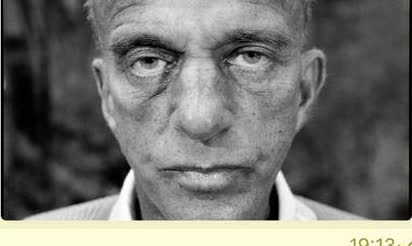
The article explains how Roy Cohn — the aggressive New York lawyer who worked for Senator Joseph McCarthy during the Red Scare — became Donald Trump's lawyer, political fixer, and mentor.
Trump met Cohn in 1973, when Trump was still a relatively unknown real-estate developer working for his father's company. The federal government had accused the Trump organization of discriminating against Black people seeking apartments. Instead of recommending a quiet settlement, Cohn advised Trump to attack: deny the accusations, countersue the government for an enormous amount of money, and portray Trump as the victim of corrupt officials.
The countersuit failed, and the discrimination case was ultimately settled. Nevertheless, Trump publicly presented the outcome as a victory. According to the article, this became the basic approach he would use throughout his business and political life.
The Cohn playbook
- Always attack instead of defending yourself.
- Never admit wrongdoing or apologize.
- Even after losing, publicly declare victory.
- Delay investigations and legal proceedings for as long as possible.
- Avoid written records; conduct sensitive business by telephone.
- Use exaggerated or invented stories to control media coverage.
- Accuse investigators and opponents of corruption.
- Demand complete loyalty but remain loyal to others only while they are useful.
- Use personal connections to influence politicians, judges, unions, journalists, and government officials.
Cohn also introduced Trump to powerful people throughout New York. His political and union connections helped Trump navigate major real-estate projects, including the redevelopment of the Commodore Hotel into the Grand Hyatt. Cohn later introduced Trump to Roger Stone and reportedly used his Reagan Administration connections to help Trump's sister, Maryanne Trump Barry, become a federal judge.
The article makes an important distinction: Trump's father taught him to be ambitious and ruthless, but Cohn taught him the practical methods for exercising power — intimidation, publicity, litigation, personal favors and relentless counterattack.
Their relationship was also highly transactional. Cohn considered Trump one of his closest friends, and Trump once signed a photograph describing Cohn as his "greatest friend." But when Cohn became seriously ill with AIDS, Trump largely distanced himself. According to one account cited in the article, Trump later invited the dying Cohn to Mar-a-Lago but subsequently ordered the dishes and silverware he used to be "fumigated."
The central argument is that many behaviors people associate with Trump today were already visible during his years with Cohn: attacking institutions that challenge him, treating facts as flexible, demanding loyalty, dominating media attention, presenting every defeat as a victory, and portraying himself as the victim of a corrupt establishment.